
Find Cheap Ammo Deals That Actually Save You Money at the Range
Why settle for premium prices when cheap ammo delivers the same bang for a fraction of the cost? It’s simply factory-new 7.5×55 Swiss Ammo for Sale or once-fired rounds that sacrifice fancy packaging and brand markup, not reliability or stopping power. By buying in bulk and sticking to proven budget calibers, you stretch every dollar into more trigger time at the range. Trust it for plinking, practice, and defense alike—because cheap ammo doesn’t mean cheap performance.
Why Budget-Friendly Rounds Are Worth Considering
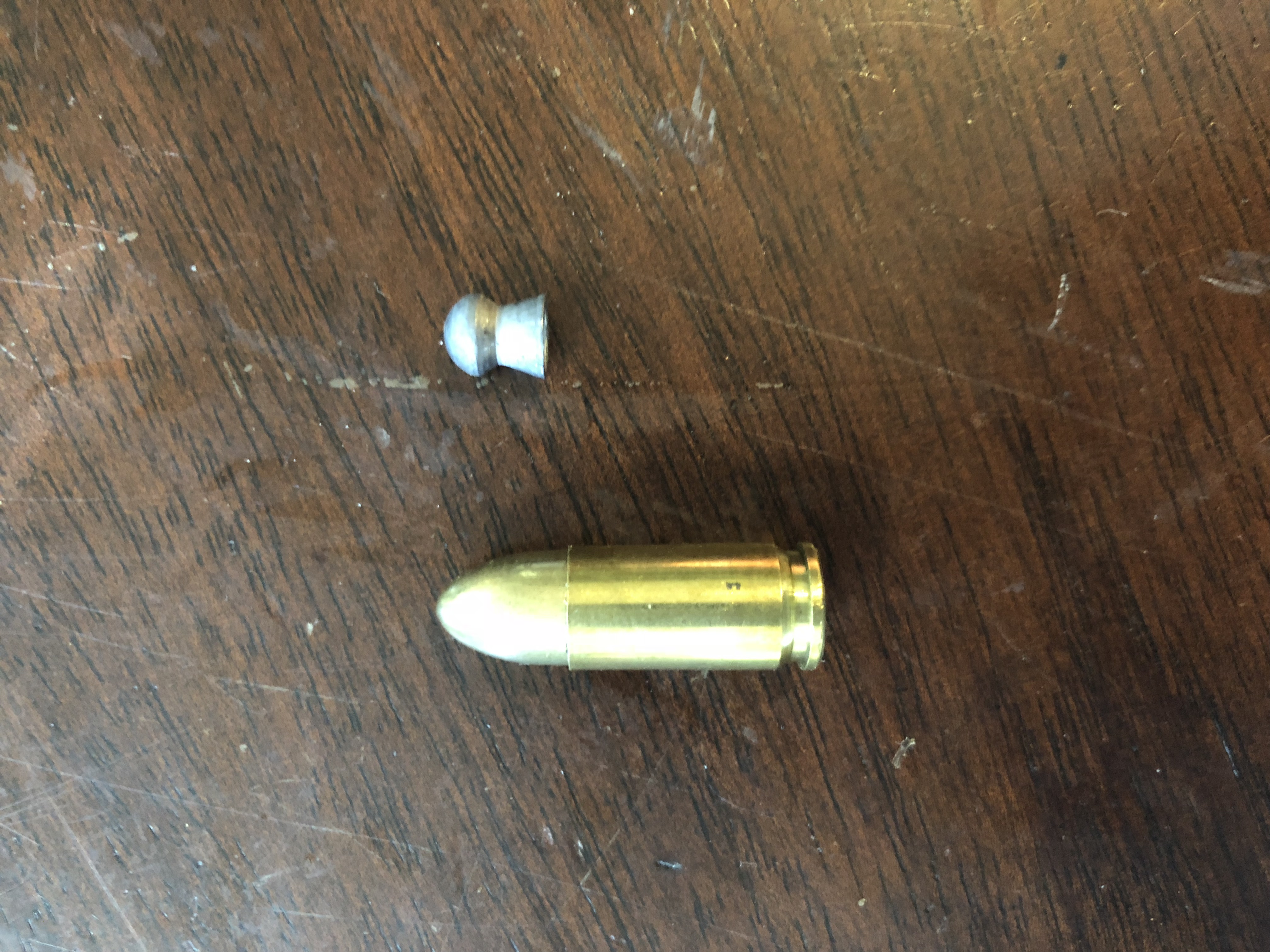
Budget-friendly rounds, often labeled as cheap ammo, are worth considering because they directly lower the cost of consistent practice. Shooting frequently is the only way to build and maintain muscle memory, and affordable ammunition allows you to run more drills without financial strain. While cheap ammo may have slightly looser tolerances, modern manufacturing ensures it remains reliable for training and plinking, making it a practical choice for volume shooting. Cheap ammo also reduces the sting of burning through hundreds of rounds in a session, so you can focus on fundamentals like trigger control and sight alignment rather than worrying about cost. For range use or casual target work, the accuracy difference from premium loads is often negligible at typical distances, making budget-friendly rounds a smart, economical choice for the average shooter.
What Actually Makes Ammunition Affordable Without Being Unsafe
Affordable ammunition avoids danger not through corner-cutting, but through efficient manufacturing and material substitution. Bulk production of standardized brass cases and lead-core, copper-jacketed bullets lowers per-round cost while maintaining SAAMI pressure specifications. Cheaper rounds often use slightly lighter propellant charges or boxer-primed cases, which are reloadable and consistent, not weak. The real cost savings come from high-volume runs, simplified packaging, and eliminating cosmetic finishing—never from reducing powder integrity or primer sensitivity. When a budget round passes factory velocity checks and shows uniform case expansion, it’s safe because the safety margin is engineered into the design, not priced into the label. You pay for 6mm Creedmoor Ammo for Sale function, not frills.
How Lower Price Points Compare to Premium Brands for Everyday Use

For everyday range sessions and routine plinking, budget ammunition holds up well against premium brands, as the practical differences in felt recoil and point-of-impact are subtle at typical handgun distances. Cheap ammo for range use often uses slightly harder primers or less refined propellant, which may produce a touch more muzzle flash or residue, but cycle most factory slides reliably. Premium rounds excel in sub-inch accuracy and consistent velocity—matters for competition or hunting. For casual practice on steel or paper, the cost savings per box outweigh these minor tradeoffs. A key metric is function: .243 Ammo for Sale if your firearm cycles flawlessly, the cheaper load is adequate. Only when you need match-grade consistency for precision shooting does the premium price become justified. Reserve premium for carry, train on budget.
Where the Cost Savings Come From: Materials, Packaging, and Volume
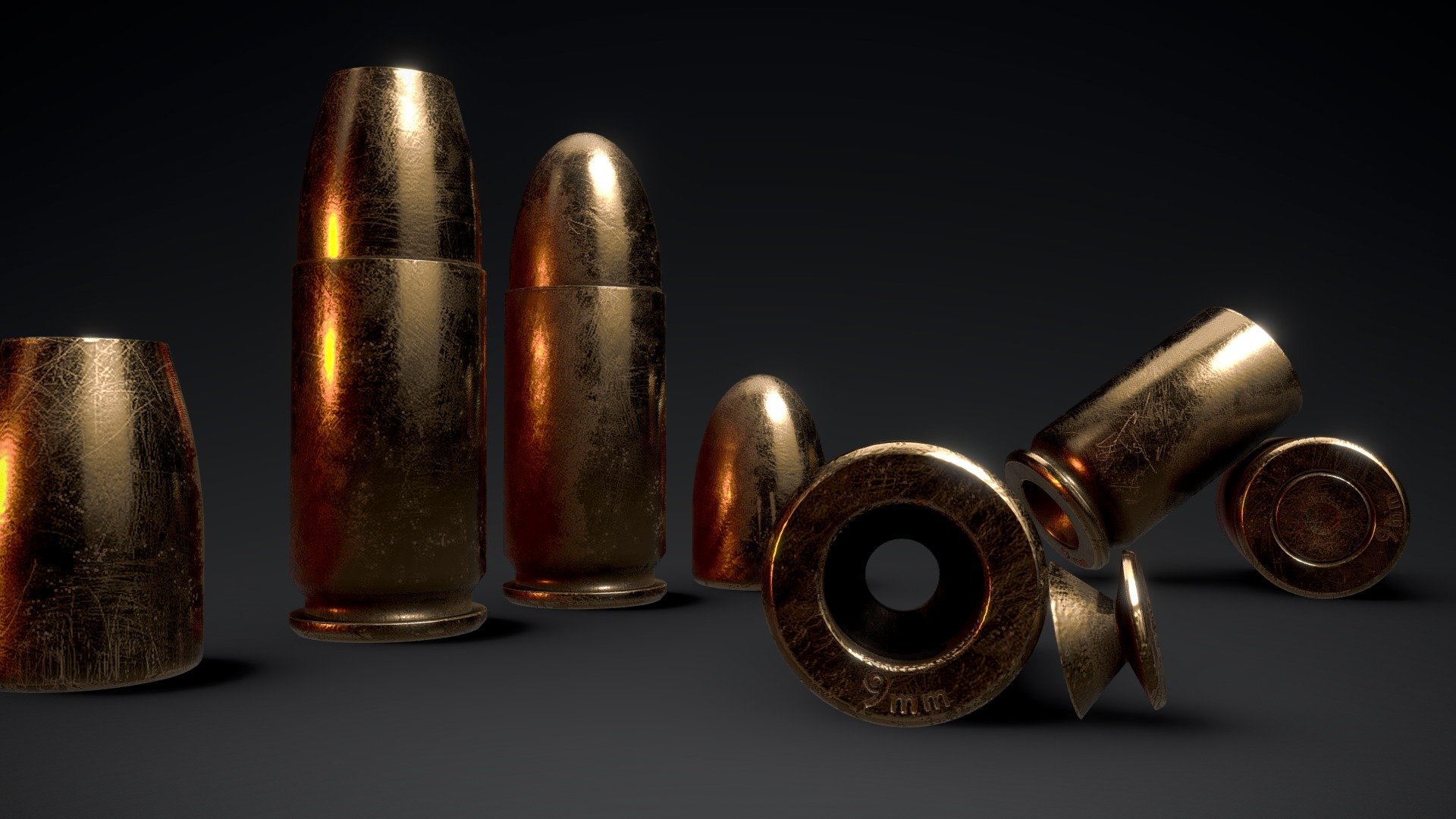
Budget-friendly rounds cut costs through three linked levers. First, materials for cheap ammo often substitute brass cases with steel or aluminum, and lead cores with bi-metal jackets, reducing raw ingredient expense. Second, packaging is streamlined—bulk boxes of 500 or 1,000 rounds use plain cardboard trays instead of individual hinged plastic cases, saving per-unit production and shipping weight. Third, volume purchasing lowers overhead: manufacturers run larger batches of identical loads, which reduces setup changes and machine downtime, passing those efficiencies to you. The sequence is simple: cheaper inputs, minimal packaging, and scale production—each step compounds the final price per 6mm ARC Ammo for Sale round, without altering the cartridge’s basic function.
How to Choose Low-Cost Cartridges for Your Specific Firearm
To choose low-cost cartridges for your specific firearm, first lock onto the caliber stamped on the barrel—never assume a similar round will fit, as forcing a near-match can damage the action. Then, prioritize consistent projectile weight, since a 115-grain 9mm and a 124-grain load will print differently on target, and cheap ammo that wanders off zero isn’t a bargain. Buy in bulk from reputable remanufacturers who pressure-test their batches, not mystery-brand surplus, and inspect every casing for dents or splits before loading. Stick with full metal jacket or flat-nose profiles for range work, as hollow points inflate cost without benefit on paper. However, the cheapest round per box only saves money if it cycles reliably in your gun—so test one small lot first. Track your firearm’s ejection pattern to confirm the low-cost cartridge matches its recoil spring tension, and then stock up without overthinking.

Matching Cheap Rounds to Your Gun’s Caliber and Action Type
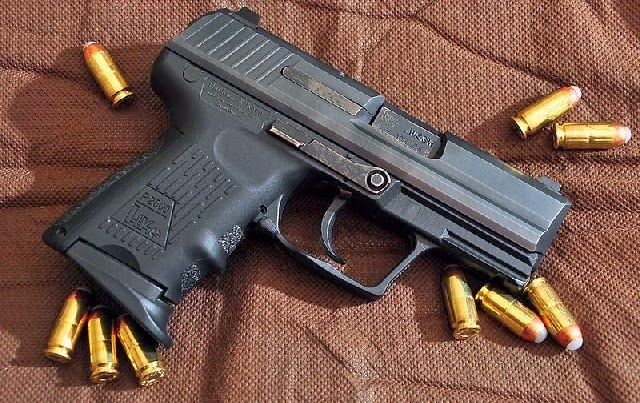
Matching cheap rounds to your gun’s caliber and action type begins with verifying the exact caliber stamp on the barrel—never guess, as a .380 ACP round will not fit a 9mm Luger chamber despite similar dimensions. For semi-automatics, prioritize **low-cost rounds with a round-nose profile**; flat-nose or hollow-point budget loads often fail to feed reliably in tight recoil springs. In bolt-action or lever-action rifles, you have more leeway, so seek out soft-point or round-nose budget ammo that cycles smoothly through tubular magazines without tip detonation risks. For revolvers, cheap wadcutters are ideal because they reduce recoil and are inherently accurate, regardless of action type. Always test a box of budget rounds from multiple brands—one cheap load may jam your pistol while another identical-priced box runs flawlessly.
Question: Why .223 Ammo for Sale does my budget ammo jam in my pistol but shoot fine in my revolver?
Because semi-automatic actions rely on the cartridge’s shape and bullet profile to feed from the magazine into the chamber—cheap flat-nose or oddly crimped rounds can snag, while a revolver’s cylinder doesn’t care about feeding, only chamber depth and rim thickness.
Full Metal Jacket vs. Hollow Points: Which Budget Option Fits Your Need
When comparing Full Metal Jacket vs. Hollow Points for budget shooting, your primary trade-off is cost-per-round against terminal effect. FMJ rounds are typically the cheapest option available, making them ideal for high-volume range practice, malfunction drills, and zeroing your firearm’s sights. Hollow points, while pricier per box, expand on impact, offering reliable self-defense performance. For a low-cost strategy, allocate most of your budget to FMJ for training, but buy a single box of hollow points to verify they feed reliably in your magazine and lock into your barrel’s chamber. To maximize value:
- Test FMJ first to confirm cycling reliability.
- Function-check hollow points for feeding and recoil spring compatibility.
- Reserve hollow points solely for carry or home defense—not for casual plinking.
Reading Box Labels: Understanding Bullet Weight and Velocity on a Tight Budget
When shopping for cheap ammo, the box label is your most honest ally, revealing **bullet weight and velocity on a tight budget** without requiring a chronograph. A lighter bullet (like 115gr vs 147gr in 9mm) typically costs less per round because it uses less lead and copper, while pushing higher velocity—ideal for paper targets. Heavier bullets may feel softer recoiling .260 Remington Ammo for Sale but often carry a premium price. For budget plinking, prioritize the lowest weight your firearm safely cycles, then check the listed muzzle velocity in feet per second (fps) to ensure consistent function. Don’t chase magnum-speed loads; a standard 1,100 fps range is plenty for economical practice.
Q: How do I know if a cheap round’s velocity is enough for my gun?
A: Compare the box’s fps to your firearm’s owner’s manual minimum. Most pistols cycle reliably above 950 fps, while rifles prefer 2,000+ fps—stick to those floors, and you’ll save money without inducing feed failures.
Practical Tips for Buying Affordable Ammunition Like a Pro
To buy cheap ammo like a pro, first lock in bulk purchases of popular calibers like 9mm or .223 during seasonal sales, as per-round savings often hit 20–30% when you buy 500 or 1,000 rounds at once. Next, scour online ammo aggregator sites daily and set price alerts, but always factor in shipping costs—a low sticker price can vanish with hefty freight, so compare final cost per round, not just the tag. Stick to trusted remanufactured or steel-cased brands for range practice, saving brass for defensive loads, and buy from vendors offering free shipping thresholds to stack discounts. Also, check local forums for private bulk trades, where sellers often offload unused stock below retail. Buying off-season—like 5.56 in winter—can slash prices when demand dips. Finally, verify your firearm’s twist rate before grabbing odd lots, as cheap ammo that won’t group is just wasted cash.
Buying in Bulk: How Case Sizes and Multi-Packs Lower Your Per-Round Cost
Scaling from box to case is the fastest way to unlock lower per-round cost. Retailers price 50-round boxes at a premium, but a 500-round case typically shaves 10–20% off each cartridge because packaging, shipping, and handling are amortized across more units. Start by comparing the price-per-round on 100-round multi-packs versus single boxes—the difference is immediate. Then, check if a 1,000-round case drops the cost further, but only if you shoot frequently enough to justify the upfront spend. Storing ammo in a dry, cool spot prevents degradation, so bulk buying only pays off if you preserve it properly. Finally, split a case with a shooting buddy to halve the initial outlay while still keeping the reduced rate.
Using Ammo Seekers and Price Comparison Sites to Snag the Best Deals
To secure 9x23mm Winchester Ammo for Sale cheap ammo through price comparison sites, start by aggregating live inventory from AmmoSeek or WikiArms, then filter by cartridge, grain weight, and shipping cost—not just base price. Sort by “price per round” across at least three vendors, since a $10 difference in shipping can erase a perceived deal. Set alerts for your specific SKU, as these platforms re-index daily, and many retailers restock at unpredictable hours. Cross-check the final checkout total, including tax and handling fees, against two other comparison tools to avoid inflated advertised rates. Bookmark a shortlist of vetted sellers, but always verify their current stock status within the last 24 hours before committing.
Mastering AmmoSeek and similar aggregators means comparing final per-round totals—including shipping and fees—across multiple vendors, then acting quickly on real-time alerts.
When to Grab Remanufactured or Surplus Rounds and When to Skip Them
Grab remanufactured rounds when they come from a reputable vendor with a visible quality-control process, as these can offer significant savings on cheap ammo for range practice without sacrificing function. Skip them for defensive or hunting loads, where inconsistent powder charges or primer seating can cause malfunctions. Surplus ammo is a good buy when you need high-volume training ammo for a firearm designed for its specific pressure and corrosive primer characteristics, like old military bolt actions. Skip surplus when shooting modern precision rifles or antique firearms with weaker actions, since aged propellant and hard primers often lead to hang-fires. Avoid any batch showing tarnished cases, loose bullets, or split necks—these indicate poor storage and potential chamber obstructions. Buy only sealed, non-repackaged surplus from military crates, and remanufactured cartridges that were cleaned and inspected before reloading.
Pick remanufactured only from QC-verified makers for practice, skip for self-defense; take surplus for rugged classics, skip for fine or fragile arms; always inspect for corrosion or loose primers before purchase.
Getting the Most Performance Out of Economy Ammo at the Range
To squeeze real precision from budget-friendly cartridges, first run a **fouling series**—cheap ammo often uses softer copper that deposits unevenly, so fire ten rounds to season the bore before zeroing. .22-250 Ammo for Sale Next, test multiple lots; economy lines shift components batch-to-batch, so buy 200 rounds of one lot and log which your rifle groups tightest at 50 yards before stretching to 100. Clean your chamber and bolt face religiously—budget powder residue is grittier, and even slight carbon buildup alters bolt lug lockup, opening your groups. Shorten your range session to three-round strings with cooling breaks; heat causes cheap propellant to spike pressure inconsistently, which fliers you’d otherwise blame on the shooter. Finally, match your twist rate to the bullet weight—most cheap 55-grain loads fly best in 1:12, while 62-grain needs 1:9. *Question: Why does cheap ammo open up after 20 fast shots? Answer: Unstable powder burns faster when hot, raising velocity spread.* This routine turns plinking-grade rounds into respectable sub-2-inch performers.
Zeroing Your Sights with Budget Rounds: What to Expect and How to Adjust
When zeroing with budget rounds, expect a wider group than with match ammunition, often due to inconsistent powder charges and bullet weights. Do not chase every flier; instead, fire a five-shot group and adjust your sight based on the group’s center, not the outliers. Because cheap ammo can shift point of impact between lot numbers, confirm your zero with the same batch you intend to use. After adjusting, shoot another group to verify, 7.62 Tokarev Ammo for Sale and accept that a practical zero of three inches at 100 yards may be the realistic limit. For defensive or competition use, re-zero with a fresh box a week before the event.
Budget rounds demand a group-center zero, frequent verification with the same lot, and acceptance of a larger impact radius than premium loads.
Cleaning Your Firearm After Shooting Inexpensive Ammo: Quick Maintenance Guide
Shooting inexpensive ammo often means dealing with dirtier propellant, so a quick post-range cleaning keeps your firearm running flawlessly. Run a bore snake soaked in solvent through the barrel immediately to lift carbon and copper fouling before it hardens. Wipe the bolt face and chamber thoroughly, since budget rounds frequently leave stubborn residue that can impede cycling. Pay special attention to the gas system on pistols and rifles, as cheap powder creates gritty buildup that slows action travel. Finish by lubricating contact points with a light oil, then function-check the action. This fast fouling-control routine preserves reliability and prevents accuracy loss between sessions, making economy ammunition cost-effective without compromising your equipment’s lifespan.
Storing Bulk Discount Cartridges to Keep Them Reliable for Years
Buying cheap ammo in bulk is the best way to save, but only if you store it right. To keep those discount cartridges reliable for years, start by sealing them in airtight ammo cans with a desiccant pack to fight humidity. Long-term bulk ammo storage hinges on a cool, dark, and dry spot—think a closet, not a garage. Rotate your stock so you shoot the older boxes first. Always keep primers and powder away from temperature swings, which cause condensation. A simple trick: add a moisture indicator card inside each can. If you follow this, your budget rounds will fire fresh years later, not just sit as corroded paperweights.
Common Myths and Straight Answers About Discount Cartridges
Common myths about discount cartridges often scare shooters away from cheap ammo, but most fears are unfounded. A frequent myth is that bargain rounds are always dirty or underpowered; in reality, many discount cartridges use the same powder and primers as premium loads, just with simpler packaging or bulk production. Another myth claims cheap ammo damages barrels, yet standard factory loads—even budget ones—stay within SAAMI pressure specs. Straight answers: lower price usually means brass cases that are once-fired or steel-cased, not unsafe performance. Accuracy can vary, but for plinking or training, discount cartridges group well enough. The real caution is to verify the cartridge’s bullet weight and velocity match your firearm’s twist rate; ignoring that causes keyholing, not poor quality. Also, avoid remanufactured cheap ammo unless from a reputable brand—that’s where true risks hide. Otherwise, discount cartridges are a sound way to stretch your shooting budget.
Does Cheap Ammo Damage Your Gun? Separating Fact from Friction
The concern that cheap ammo damages your gun usually stems from friction—both mechanical and ballistic—rather than inherent danger. Budget cartridges often use steel cases or bi-metal jackets, which create more carbon fouling and accelerate barrel wear compared to brass and copper, but this is a gradual abrasion, not immediate harm. The real issue is inconsistent powder charges or primer seating that can cause pressure spikes, potentially battering the locking block or extractor. However, most modern firearms handle these variations within safe tolerances if you clean them regularly. What feels like damage is frequently just accelerated residue buildup, easily remedied with a bore brush and solvent. Thus, while cheap ammo increases friction-related maintenance, it rarely causes catastrophic failure—unless you ignore warning signs like stuck casings or erratic ejection.
Is Lower-Priced Ammo Accurate Enough for Self-Defense Practice
For self-defense practice, lower-priced ammo is usually accurate enough, but with a catch. The reality is bulk ammo for sale that budget-friendly practice ammunition often groups slightly wider than premium defensive loads, especially at 15+ yards. However, most defensive encounters happen inside 7 yards, where that difference typically vanishes. To confirm your skills translate, run a quick drill: shoot five rounds at a torso target from 5 yards, then check your group. If it’s within your palm, you’re solid. Next, mix in a few rounds of your carry ammo during the same session—not to save money, but to verify point-of-impact matches. Your accuracy matters less than your ability to place shots under stress, which only practice builds. Follow these steps: 1) Zero your optic or sights with the cheap stuff. 2) Shoot slow-fire groups for confidence. 3) Finish with one mag of defensive ammo to confirm reliability. That routine keeps your wallet happy and your skills sharp.
Why Some Budget Rounds Misfire More Often and How to Reduce the Risk
Budget rounds misfire more often because cost-cutting targets the primer and propellant, the exact components governing ignition. Cheaper primers use thinner cups or less sensitive compound, which fails to detonate on a light striker hit, while inconsistent powder charges can produce too weak a burn to cycle the action. The risk drops sharply when you clean the firing pin channel and bolt face, as carbon buildup deadens impact energy. Also, a stiff or worn hammer spring on older designs will punish low-budget ammunition that would ignite faultlessly in a tuned firearm. Test a single box across your pistol or rifle before buying bulk, and always seat rounds fully—an unseated bullet absorbs the firing pin’s force. Choose brands known for sealed primers to resist oil contamination from storage. Reducing budget-round misfires requires matching cheap ammo to a clean, strongly sprung firearm.
Budget rounds misfire mainly due to weak primers and inconsistent powder, but you can cut risk by cleaning the firing pin channel, checking spring tension, and test-firing a sample box before committing to bulk.